



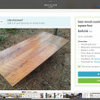
Refinish table top w/protective surface?
trielders
17 years ago
Featured Answer
Comments (8)

HoustonHacker
17 years agokmealy
17 years agoRelated Professionals
Salisbury Cabinets & Cabinetry · Whitehall Cabinets & Cabinetry · Milford Mill Cabinets & Cabinetry · Bonita Springs Carpenters · Fitchburg Carpenters · Happy Valley Carpenters · Cleveland Flooring Contractors · Lake Stevens Flooring Contractors · Lebanon Flooring Contractors · Oak Park Flooring Contractors · Shepherdsville Flooring Contractors · Washougal Flooring Contractors · Easton Furniture & Accessories · San Francisco Furniture & Accessories · St. Louis Furniture & Accessorieskmealy
17 years agosombreuil_mongrel
17 years agoreallyred
17 years agoinfo_marble-restoration_us
15 years ago
Patricia Walsh
2 years ago
Related Stories
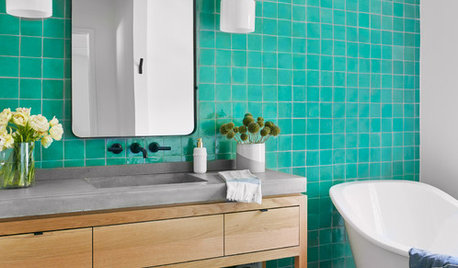
BATHROOM DESIGNBathroom Countertops 101: The Top Surface Materials
Explore the pros and cons of 7 popular bathroom countertop materials
Full Story
MOST POPULAR10 Strategies for Keeping Surfaces Clutter-Free
The universe wants your coffee table to become a clutter magnet — but you can fight back
Full Story
GARDENING GUIDESProtect a Precious Resource With a Rain Garden
Promote pure water and a beautiful landscape with a garden design that makes the most of the rain
Full Story
ENTRYWAYSGlass Doors That Welcome — and Protect Your Privacy Too
These front-door designs let in the light but keep your air-guitar performances safely in-house
Full Story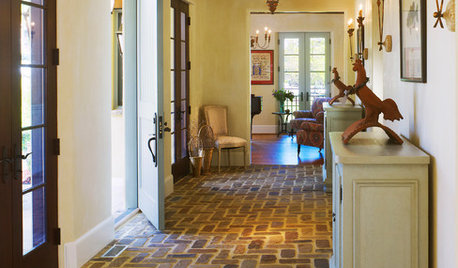
FEEL-GOOD HOMEEmbrace a Few Beautifully Weathered Surfaces for a Happy, Durable Home
You don’t need to worry so much about scuff marks and dings when you accept the character and beauty of wear
Full Story
GREEN DECORATINGGo Cuckoo for Coconut Furniture and Surfaces
Crack open a lesser-known ecofriendly design option: tiles, flooring, tables and more made from coconut shell and palm wood
Full Story
GREAT HOME PROJECTSWhat to Know Before Refinishing Your Floors
Learn costs and other important details about renewing a hardwood floor — and the one mistake you should avoid
Full Story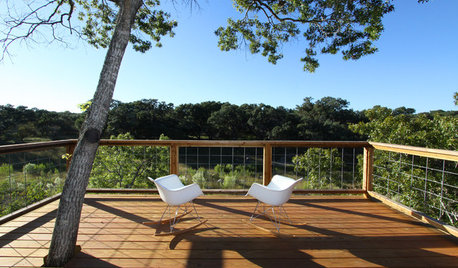
GREAT HOME PROJECTSHow to Refinish a Wood Deck
Keep your deck looking its best — and save feet from splinters — by applying a new stain and sealant every year or so
Full Story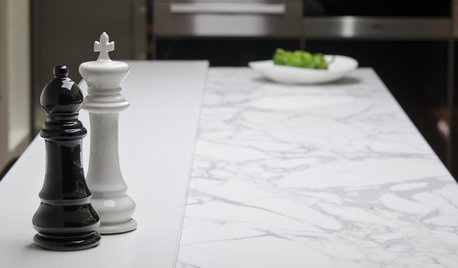
KITCHEN COUNTERTOPSKitchen Counters: High-Tech Solid Surfaces Make Maintenance Easy
Sculpted by heat and nonporous by nature, solid-surface countertops bring imagination and low maintenance to the kitchen
Full Story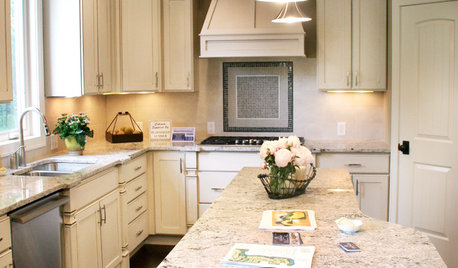
KITCHEN DESIGNKitchen Countertops 101: Choosing a Surface Material
Explore the pros and cons of 11 kitchen countertop materials. The options may surprise you
Full Story
More Discussions




stevega