



Walnut oil vs. tung oil for kitchen island counter
Lauren_IA
16 years ago
Sort by:Oldest
Comments (5)
Related Stories

MATERIALSWoodipedia: Walnut Wows in Traditional and Modern Settings
With its rich color and lustrous polished finish, walnut is a favorite wood for all kinds of millwork
Full Story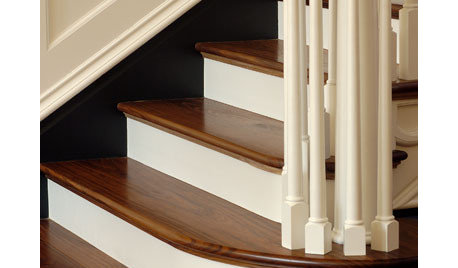

KITCHEN DESIGNThe Best Backsplashes to Pair With Wood Counters
Simplify your decision-making with these ideas for materials that work well with wood counters
Full Story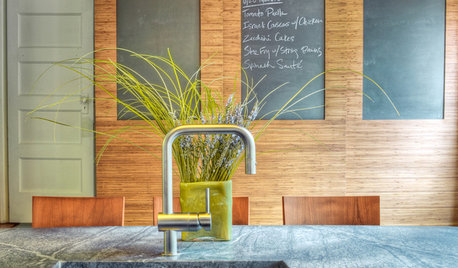
KITCHEN DESIGNKitchen Counters: Durable, Easy-Clean Soapstone
Give bacteria the boot and say sayonara to stains with this long-lasting material that's a great choice for kitchen and bath countertops
Full Story
KITCHEN COUNTERTOPS10 Countertop Mashups for the Kitchen
Contrast or complement textures, tones and more by using a mix of materials for countertops and island tops
Full Story
KITCHEN DESIGNSuper Backsplashes to Pair With Recycled-Paper Counters
Aesthetics and personal ethics come together for most folks who opt for this eco-friendly material
Full Story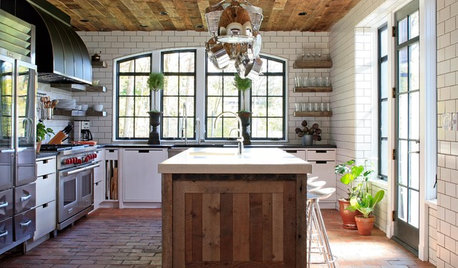
KITCHEN DESIGNWhat to Know About Using Reclaimed Wood in the Kitchen
One-of-a-kind lumber warms a room and adds age and interest
Full Story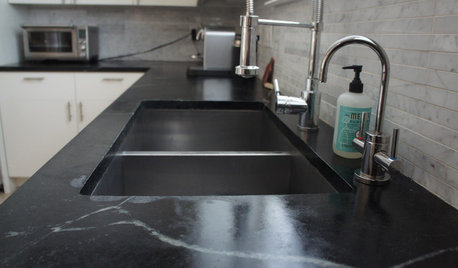
KITCHEN DESIGNSoapstone Counters: A Love Story
Love means accepting — maybe even celebrating — imperfections. See if soapstone’s assets and imperfections will work for you
Full Story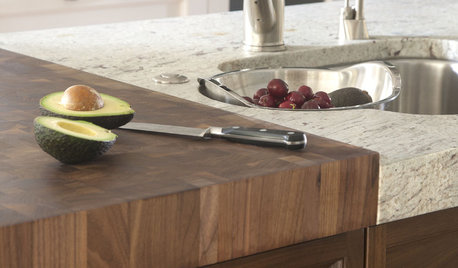
KITCHEN DESIGNKitchen Counters: Try an Integrated Cutting Board for Easy Food Prep
Keep knife marks in their place and make dicing and slicing more convenient with an integrated butcher block or cutting board
Full Story

More Discussions

bobismyuncle
bobismyuncle
Related Professionals
Indian Creek Cabinets & Cabinetry · Merced Carpenters · Odenton Carpenters · Saddle Brook Carpenters · Albuquerque Flooring Contractors · Framingham Flooring Contractors · Topeka Flooring Contractors · Rome Furniture & Accessories · Savannah Furniture & Accessories · Scottsdale Furniture & Accessories · Duluth Furniture & Accessories · Farmington Furniture & Accessories · Potomac Furniture & Accessories · Sugar Hill Furniture & Accessories · Vail Furniture & AccessoriesLauren_IAOriginal Author
brickeyee
swines