





breaker box and shower
nirvanamike06
13 years ago
Sort by:Oldest
Comments (5)
Related Stories
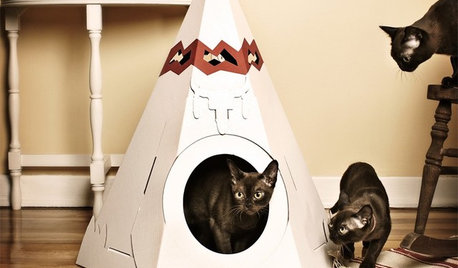
LIFEGet the Scoop on High-Design Litter Boxes
Unavoidable doesn't have to mean unpleasant; cats and guardians alike will purr over these terrific design solutions for the litter box
Full Story
ENTERTAININGGenius Home Prep: A Guest Room in a Box
No dedicated guest room? Make hosting overnighters easier by keeping the essentials in one place
Full Story
TASTEMAKERSModko Litter Boxes Address the Mess
A design duo has reinvented the much-maligned cat box, with an award-winning result
Full Story
ORGANIZINGOutside the Box: 18 Unconventional Storage Solutions
You might never think to use household standards in creative ways like these, but you’ll be glad we did
Full Story
ARCHITECTUREHouzz Tour: A Vintage Home Wrapped Up in a Box
A work-at-home couple completes an eye-catching contemporary renovation that builds on an Arts and Crafts home
Full Story
BASEMENTSBasement of the Week: Modern Style Converts an Empty Concrete Box
From raw wasteland to fab living, sleeping and storage space, this snazzy basement now covers all the angles
Full Story
WINE CELLARSRoom of the Day: Chilled Wine Box Makes a Fun Feature Wall
A narrow compartment of slate, glass, steel and cork adds surprise and utility to an open-plan room
Full Story
MODERN ARCHITECTUREHouzz Tour: A Concrete Box Home With Japanese Style
A love of Japan’s minimalistic style and the use of concrete make for a mystical experience in this Houston home
Full Story
BATHROOM DESIGNWhy You Might Want to Put Your Tub in the Shower
Save space, cleanup time and maybe even a little money with a shower-bathtub combo. These examples show how to do it right
Full Story
BATHROOM DESIGNThe Case for a Curbless Shower
A Streamlined, Open Look is a First Thing to Explore When Renovating a Bath
Full Story
More Discussions
brickeyee
nirvanamike06Original Author
joed
ionized_gw
Ron Natalie