



Teens and Kids
shadow19
22 years ago
Related Stories
BEDROOMSRoom of the Day: A Teen’s Bedroom Branches Out
This room's global bohemian style includes a chandelier inspired by a trip to India, and comfy spots to play and listen to music
Full Story
DESIGN FOR GOODAt-Risk Teens Get a Well-Designed Home and Real Hope
Designers and other volunteers create an apartment to keep older foster kids off the streets, off drugs and on a path to a better life
Full Story
KIDS’ SPACESAn Unconventional Approach to Teen Room Decor
Wall-to-wall posters and riotous colors? So not cool. Find out how to give your tween or teen a room that's truly awesome
Full Story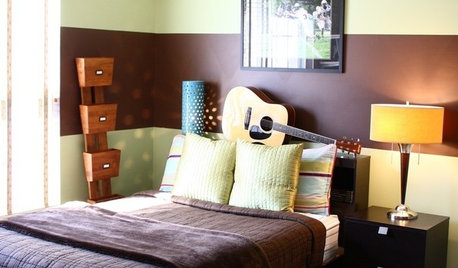
MORE ROOMSDesign Ideas for a Teen Boy's Room
Make room for your teen to shine with a space that reflects his personal style
Full Story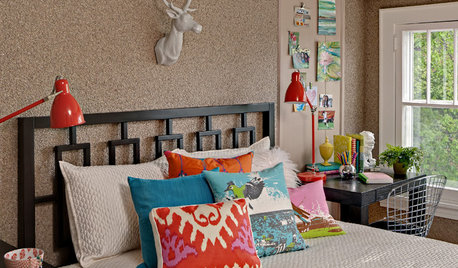
LIFE12 Steps to a Happy Teen Bedroom Makeover
Let teen design spirit shine while enjoying bonding time, with these mutually agreeable makeover ideas that don't compromise on style
Full Story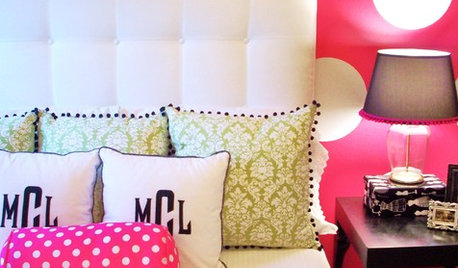
DECORATING GUIDESTeens' Rooms: The Haven Grows Up
Touches of Sophistication Mix With Fun in Your Teen's Dream Bedroom
Full Story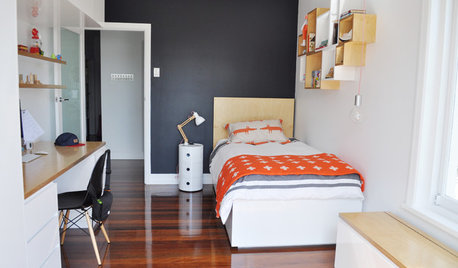
BEDROOMSRoom of the Day: A Boy’s Bedroom to Move Through Tween and Teen Years
Reorganizing the space with a new study desk, bed, seating and storage gives him room to grow
Full Story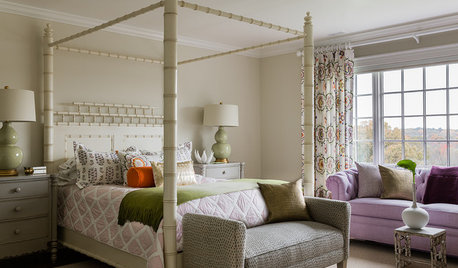
KIDS’ SPACES5 Teen and Tween Girls' Rooms With Fresh-Faced Style
Youthful and light, these girls' bedrooms show an age-appropriate mix of playful spirit and design-savvy sophistication
Full Story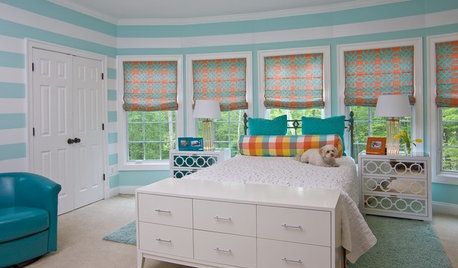
KIDS’ SPACES7 Bedroom Design Trends for Tweens and Teens
You can move toward a more grown-up look while still keeping it fresh and fun
Full Story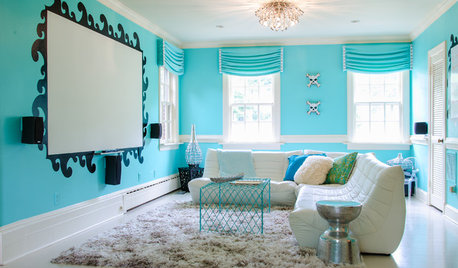
ROOM OF THE DAYRoom of the Day: Miami Beach Style for a Virginia Teen Hangout
Don’t let the glam look fool you — this spare room for high schoolers and their friends can be cleaned and neatened in a snap
Full Story
amygdala
StephanieD
Related Discussions
How to Cut a Wedding Cake
Q
Lunches for teen kids during summer vacation
Q
Dealing with Teenage kids.
Q
Teen/kids bedding?
Q
timberlysmom
winter_unfazed