





Upstairs radiators are barely working
jlc102482
11 years ago
Featured Answer
Sort by:Oldest
Comments (6)

lazy_gardens
11 years ago
jlc102482
11 years agoRelated Professionals
Carson Kitchen & Bathroom Designers · East Islip Kitchen & Bathroom Designers · East Peoria Kitchen & Bathroom Designers · Euclid Kitchen & Bathroom Designers · Four Corners Kitchen & Bathroom Designers · Queen Creek Kitchen & Bathroom Designers · Saratoga Springs Kitchen & Bathroom Designers · Apex Kitchen & Bathroom Remodelers · Durham Kitchen & Bathroom Remodelers · Tulsa Kitchen & Bathroom Remodelers · Weymouth Kitchen & Bathroom Remodelers · Westminster Kitchen & Bathroom Remodelers · Mountain Top Kitchen & Bathroom Remodelers · Baton Rouge Architects & Building Designers · Cloverly Architects & Building Designerssombreuil_mongrel
11 years agoUser
11 years ago
Circus Peanut
11 years ago
Related Stories
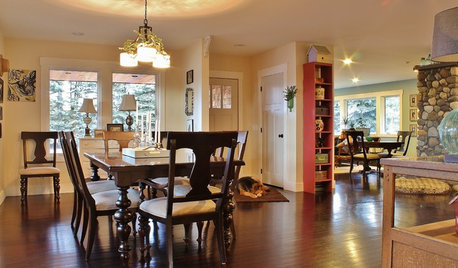
HOUZZ TOURSMy Houzz: Renovated 1912 Farmhouse Radiates Warmth and Charm
A Russian fireplace anchors a Washington family home filled with inherited, salvaged and flea market pieces
Full Story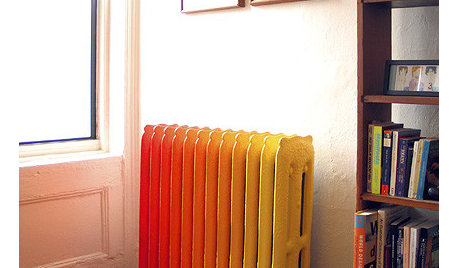
DECORATING GUIDESHow to Make Peace With Your Radiator
Turn a bulky, unattractive old heater into an appealing part of a room
Full Story
STAIRWAYSThe Upstairs-Downstairs Connection: Picking the Right Stair Treatment
Carpeting, runner or bare wood? Check out these ideas for matching your staircase floor treatment to upstairs and downstairs flooring
Full Story
KITCHEN DESIGNOpen vs. Closed Kitchens — Which Style Works Best for You?
Get the kitchen layout that's right for you with this advice from 3 experts
Full Story
HOME OFFICES7 Ways to Make Your Home Office Work Better for You
Have more energy, be more productive and feel better while working at home with these ideas based on science
Full Story
LIFE8 Ways to Make an Extra-Full Nest Work Happily
If multiple generations or extended family shares your home, these strategies can help you keep the peace
Full Story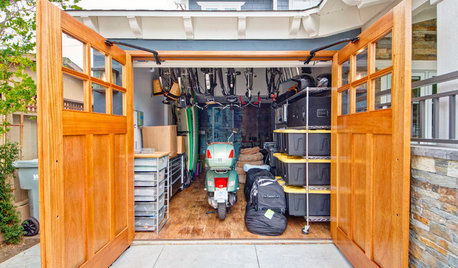
GARAGESHouzz Call: How Do You Put Your Garage to Work for Your Home?
Cars, storage, crafts, relaxing ... all of the above? Upload a photo of your garage and tell us how it performs as a workhorse
Full Story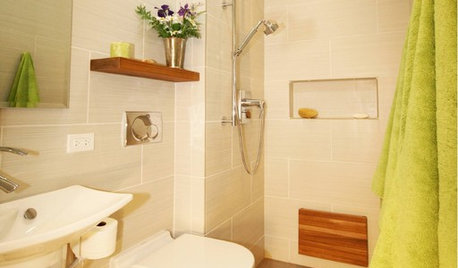
BATHROOM DESIGNMake a Tiny Bathroom Work Wonders
Light, reflection and multitasking spaces keep small bathrooms both stylish and functional
Full Story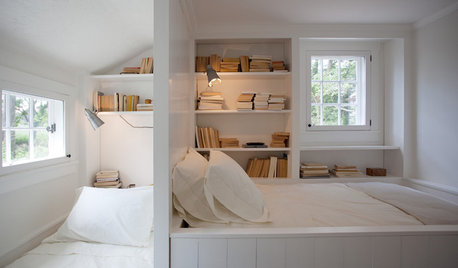
BEDROOMSGuest Rooms That Work
The Hardworking Home: Get all the sleeping space for guests you need — and in some cases extra storage — with these solutions
Full Story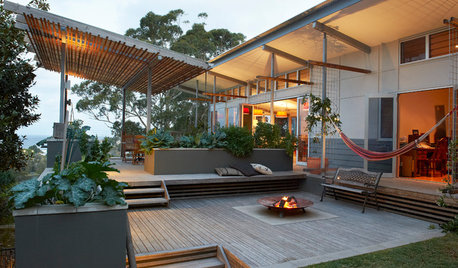
GARDENING AND LANDSCAPING17 Ways to Work a Deck
Layer it, bump it out, wrap it around a tree. Get inspiration with these ideas for adding a deck to your yard
Full Story
More Discussions


brickeyee