




Re: Getting a Tax Professional
hittlets
16 years ago
Sort by:Oldest
Comments (7)
Related Stories
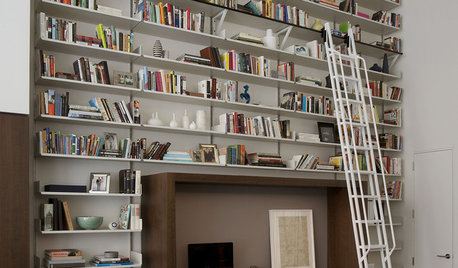
DECORATING GUIDESTax Refunds Provide Style Returns
Unexpected cash practically begs small splurges: an accessory here, a furniture upgrade there, maybe some lovely new linens ...
Full Story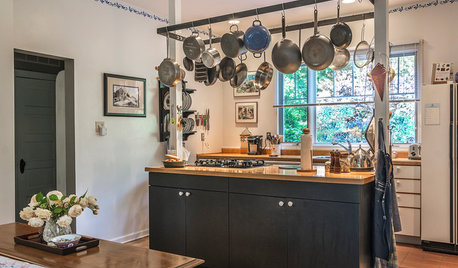
ORGANIZINGHouzz Call: Show Us How You're Getting Organized
If you’ve found successful ways to declutter and create order at home, we want to hear about it. Share your ideas and photos!
Full Story
REMODELING GUIDESArchitecture Pays Tribute to the Tax Man
Skipping taxes doesn't always mean skipping the country. These architectural features let owners avoid certain taxes without leaving home
Full Story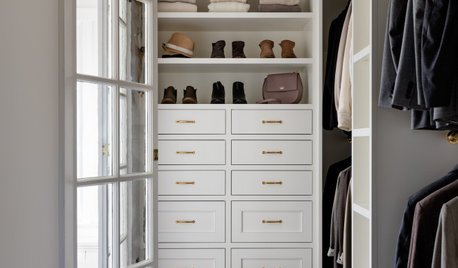
ORGANIZINGProfessional Tips for Organizing Your Clothes Closet
As summer draws to a close, get expert advice on editing and organizing your wardrobe
Full Story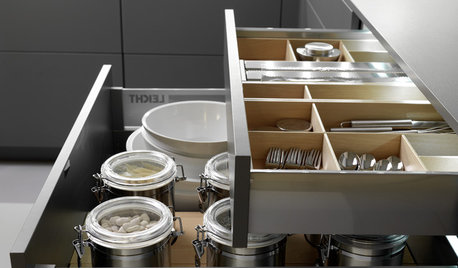
DECORATING GUIDESHow to Work With a Professional Organizer
An organizing pro can help you get your house together. Here's how to choose the right one and gain your own clutter-clearing skills
Full Story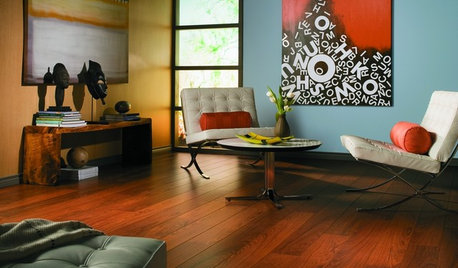
REMODELING GUIDESLaminate Floors: Get the Look of Wood (and More) for Less
See what goes into laminate flooring and why you just might want to choose it
Full Story
KITCHEN DESIGNExpert Talk: 12 Ways to Get a Designer-Kitchen Look
Professional designer Ines Hanl reveals her thought processes on select kitchen remodels
Full Story
ORGANIZINGGet Organized: Are You a Piler or a Filer?
Tote out the bins and baskets and learn how to be an organized piler if file cabinets leave you cringing
Full Story
DECLUTTERINGDownsizing Help: How to Get Rid of Your Extra Stuff
Sell, consign, donate? We walk you through the options so you can sail through scaling down
Full Story
SMALL SPACESGetting a Roommate? Ideas for Making Shared Spaces More Comfortable
Here are tips and tricks for dividing your space so everyone gets the privacy they need
Full Story
More Discussions
zone_8grandma
chelone
Related Discussions
Does Fica And SS get 'taken' when I file my taxes?
Q
Memo to low-income Canadians re: Income tax preparation, no fee
Q
Re-Fi - question re: taxes
Q
taxes or no taxes
Q
joyfulguy
jlhug
western_pa_luann
chrisk327
quiltglo