




Refrigerated Pizza Dough
countrygal_905
11 years ago
Related Stories
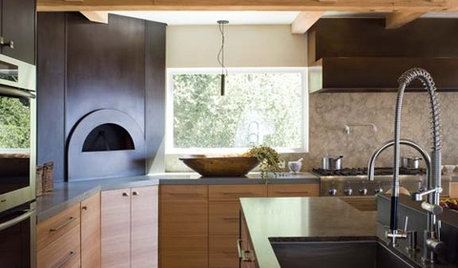
KITCHEN DESIGNKitchen Luxuries: The Wood-Fired Pizza Oven
If you love homemade pizza and are (ahem) rolling in dough, a wood-burning oven may be just the right kitchen investment
Full Story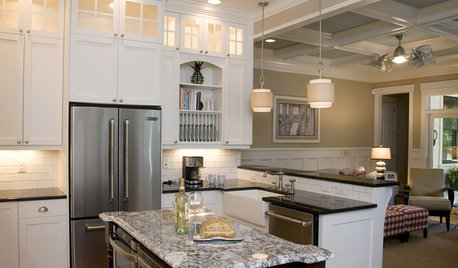
KITCHEN DESIGNStay Cool About Picking the Right Refrigerator
If all the options for refrigeration leave you hot under the collar, this guide to choosing a fridge and freezer will help you chill out
Full Story
KITCHEN DESIGNSee-Through Refrigerators Dare to Go Bare
Glass-front fridge doors put your food and drinks on display, for better or worse. See the benefits and disadvantages
Full Story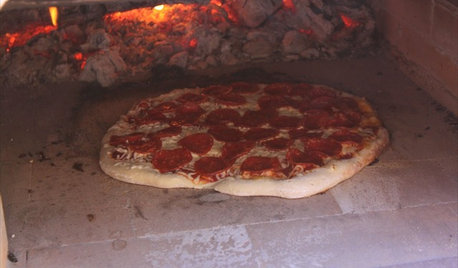
GREAT HOME PROJECTSHow to Get a Pizza Oven for the Patio
New project for a new year: Light a fire under plans for an outdoor oven and claim the best pizza in town
Full Story
KITCHEN CABINETS9 Ways to Save Money on Kitchen Cabinets
Hold on to more dough without sacrificing style with these cost-saving tips
Full Story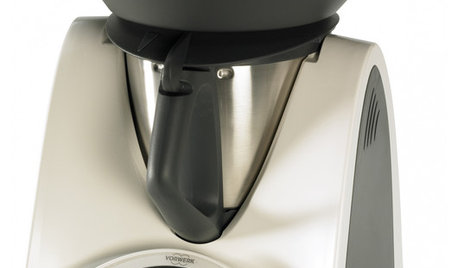
HOME TECH3 Kitchen Contraptions You Won’t Believe
Pizza hot from the printer, anyone? These cooking gadgets harness imagination and high tech — and have price tags to match
Full Story
HOUZZ TOURSMy Houzz: Easygoing Elegance for a Massachusetts Saltbox
With beers on tap, a pizza oven and a guitar collection, this home mixes classic with generous doses of fun
Full Story
OUTDOOR KITCHENSOutdoor Room of the Day: This Patio Cooks, Even in the Rain
Washington homeowners create their dream outdoor kitchen with a pizza oven, gas grill, fireplace and more
Full Story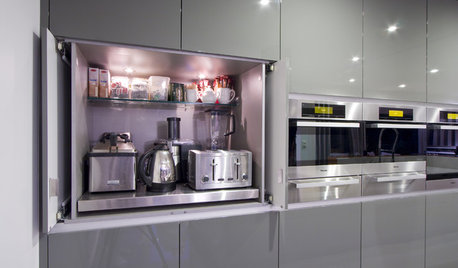
KITCHEN DESIGNThe Best Places to Stash Small Kitchen Appliances
Tucked-away places like nooks, pantries and dedicated cabinets keep your kitchen gadgets handy but out of the way
Full Story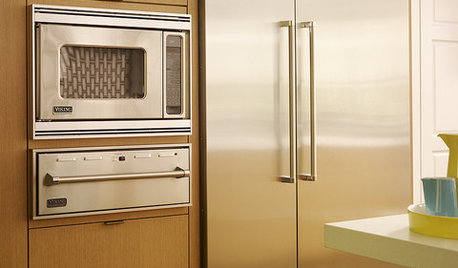
KITCHEN DESIGNEmbrace a Hot Trend With a Kitchen Warming Drawer
Serve food at just the right temperature with this increasingly popular appliance, coordinated to match your kitchen's style
Full Story

azzalea
ann_t
Related Discussions
Pizza Recipes[Pizza Dough,Pizza Sauce and Toppings]
Q
What's Your Favorite New Kitchen Tool?
Q
TJ's pizza dough
Q
Favorite Pizza Dough for home pizza oven
Q
countrygal_905Original Author
lindac
countrygal_905Original Author