




Caffeine in tea
Sunny66
22 years ago
Sort by:Oldest
Comments (4)
Related Stories
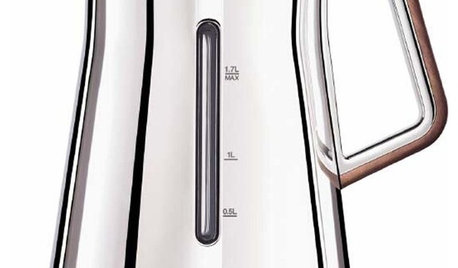
PRODUCT PICKSGuest Picks: Brew a Perfect Cup of Coffee or Tea
Get your caffeine fix in style with well-designed accoutrements from makers to mugs
Full Story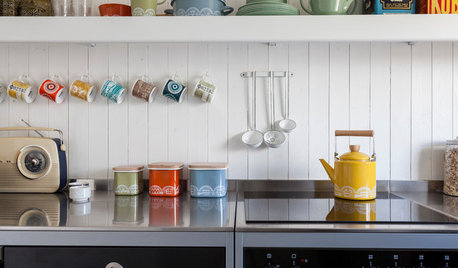
LIFEHow Do You Make Your Tea and Coffee in the Morning?
A morning cup is a must for many, and preparation comes in many guises. We look at coffee and tea habits across the Houzz community
Full Story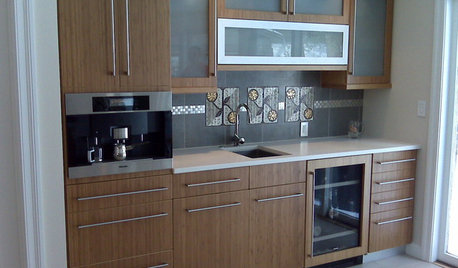
KITCHEN DESIGNHot Ideas and Tips for Coffee and Tea Stations
Let options like drawer inserts and built-in coffeemakers percolate now, so your hot-drinks station can best serve holiday guests
Full Story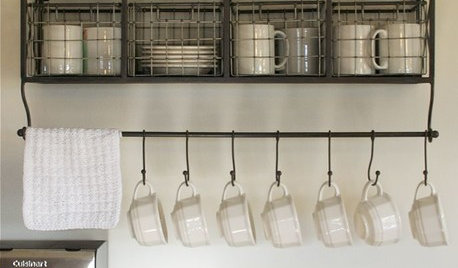
KITCHEN DESIGNHot-Drink Stations Hit the Spot
Beverage bars brimming with cocoa, tea, coffee and all the accoutrements make winter entertaining a delight
Full Story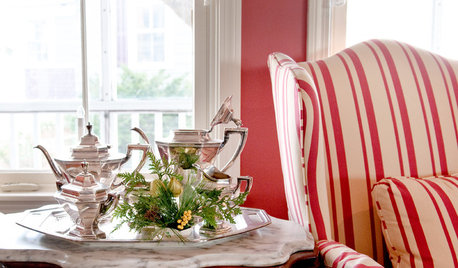
LIFESimple Pleasures: Indulging in Teatime
Get out the china cups and cream-slathered scones. Tea with treats can make even an uneventful day feel extravagant
Full Story
VALENTINE’S DAYEntertaining Ideas for a Perfect ‘Galentine’s’ Day
Celebrate your friendships with a tea party featuring handmade pompoms, vintage teacups and tasty treats
Full Story
GARDENING GUIDESGreat Design Plant: Lindera Benzoin Offers 3-Season Interest
Support wildlife and enjoy the aromatic leaves of this U.S. native also known as spicebush, Benjamin bush and spicewood
Full Story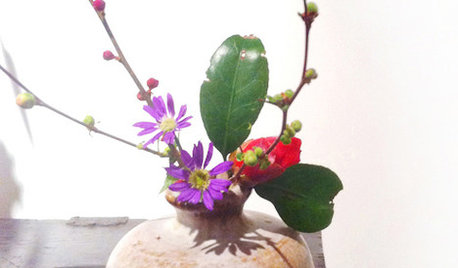
DECORATING GUIDESEvoke a Japanese Tearoom's Beauty With a 'Chabana' Flower Arrangement
Set the stage for serenity in any room with floral and decorating ideas borrowed from an ancient Japanese tradition
Full Story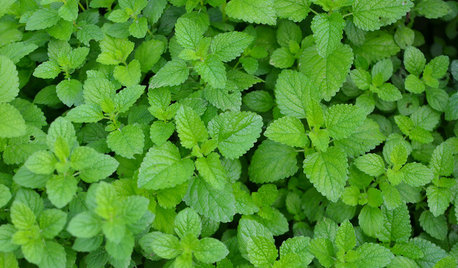
EDIBLE GARDENS12 Essential Herbs for Your Edible Garden
Make home cooking and drinks even better with herbs plucked from your own backyard or windowsill pot
Full Story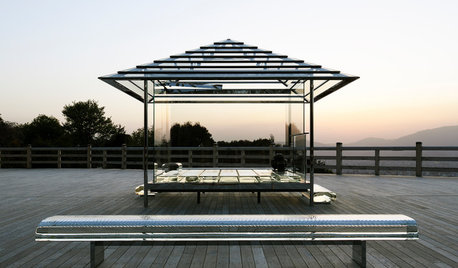
WORLD OF DESIGNWorld of Design: The Enduring Magic of the Japanese Teahouse
The tradition began with Rikyū 500 years ago. See how his innovative spirit lives on in the teahouses of today
Full StorySponsored
User
Sunny66Original Author
Related Discussions
Tarragon for Benign Prostate Hypertrophy (BPH)
Q
Tea/coffee grounds vs. carrot rust fly or root maggots
Q
What are you growing for tea?
Q
Herbal Iced Tea
Q
rgmrp_earthlink_net
jasavak