






Finishing 100 yr old basement with minor hydrostatic water issues
nadjahogg
12 years ago
Featured Answer
Sort by:Oldest
Comments (6)

aarron11
12 years agoRelated Professionals
Murraysville General Contractors · Ashburn General Contractors · Grand Junction General Contractors · Hayward General Contractors · Montebello General Contractors · Baileys Crossroads General Contractors · Beachwood Architects & Building Designers · Palos Verdes Estates Architects & Building Designers · Plainville Architects & Building Designers · Camp Verde Flooring Contractors · Honolulu Flooring Contractors · Maltby Flooring Contractors · Palm Harbor Flooring Contractors · Riverbank Flooring Contractors · Toledo Flooring Contractors
worthy
12 years agoworthy
12 years agobrickeyee
12 years agoberkshire80
11 years ago
Related Stories
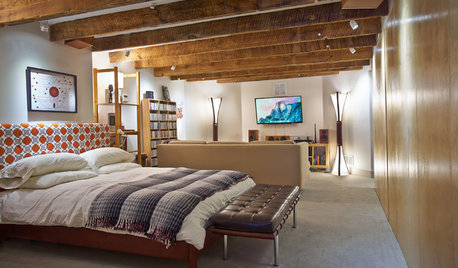
BASEMENTSRoom of the Day: Swank Basement Redo for a 100-Year-Old Row House
A downtown Knoxville basement goes from low-ceilinged cave to welcoming guest retreat
Full Story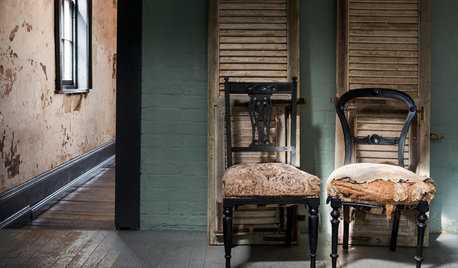
REMODELING GUIDESThe Hidden Problems in Old Houses
Before snatching up an old home, get to know what you’re in for by understanding the potential horrors that lurk below the surface
Full Story
REMODELING GUIDESContractor Tips: Finish Your Basement the Right Way
Go underground for the great room your home has been missing. Just make sure you consider these elements of finished basement design
Full Story
UNIVERSAL DESIGNMy Houzz: Universal Design Helps an 8-Year-Old Feel at Home
An innovative sensory room, wide doors and hallways, and other thoughtful design moves make this Canadian home work for the whole family
Full Story
REMODELING GUIDESFinish Your Remodel Right: 10 Tasks to Check Off
Nail down these key details to ensure that everything works properly and you’re all set for the future
Full Story
GREEN BUILDINGWater Sense for Big Savings
Keep dollars in your pocket and preserve a precious resource with these easy DIY strategies
Full Story
ARCHITECTUREStyle Divide: How to Treat Additions to Old Homes?
One side says re-create the past; the other wants unabashedly modern. Weigh in on additions style here
Full Story
GREAT HOME PROJECTSHow to Switch to a Tankless Water Heater
New project for a new year: Swap your conventional heater for an energy-saving model — and don’t be fooled by misinformation
Full Story
BEFORE AND AFTERSSee a DIY Powder Room Transformation for $1,100
Determination, DIY skill and a stunning tile feature wall helped make this formerly dark and gloomy powder room feel spacious
Full Story
LIFEThe Top 5 Ways to Save Water at Home
Get on the fast track to preserving a valuable resource and saving money too with these smart, effective strategies
Full StorySponsored

Custom Craftsmanship & Construction Solutions in Franklin County
More Discussions


worthy